
How to Store Maple Syrup Properly: Fridge, Freezer, or Pantry?
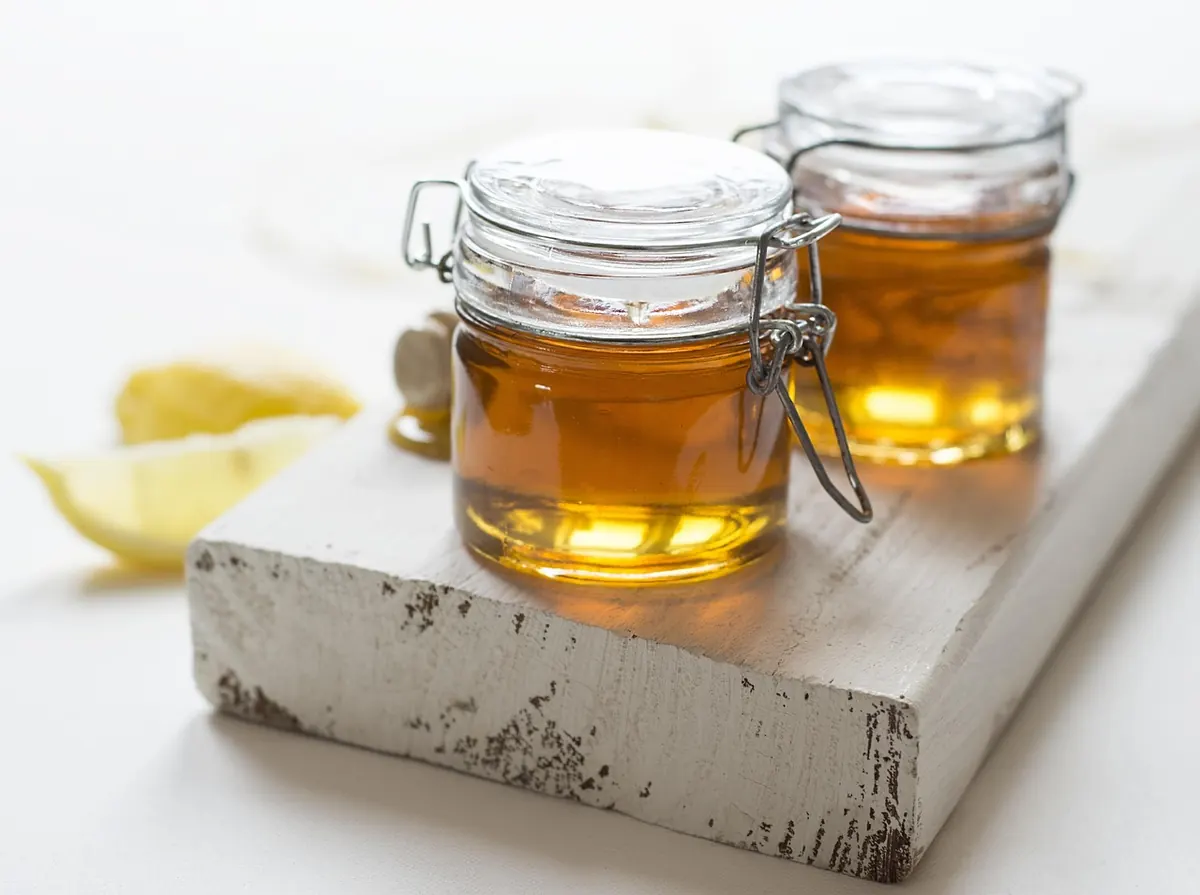
Maple syrup is stubborn in the best way. It resists freezing, forgives gentle reheating, and can keep for years when the conditions are right. Leave it in the wrong spot, though, and it tells you fast: a sour smell, a faint fizzy edge, or a fuzzy patch spreading across the surface. Storing it properly takes almost no effort once you know which of the three options — pantry, fridge, or freezer — belongs to your bottle.
Why Maple Syrup Is More Delicate Than It Looks
Pure maple syrup is roughly two-thirds sugar and one-third water. That heavy sugar concentration is what makes it shelf-stable in the first place; it draws moisture away from microbes the way a preserve does. But syrup is not sterile. Yeast and mold spores are present in the air around us, and they will happily settle on an open jar.
Three things decide what happens next:
- Temperature. Warmth speeds up everything, including the slow growth of yeast and mold. A jar sitting beside a stove in July ages far faster than the same jar on a cool cellar shelf.
- Light. Direct sun and bright kitchen lighting break down the compounds that give syrup its caramel, vanilla, and maple-wood notes. The colour darkens and the flavour flattens.
- Air. Every time you open the container, fresh oxygen and new spores get in. A nearly empty jar with a wide headspace will turn long before a full one.
Container type matters too. Syrup is a sponge for nearby odours, which is why a loosely covered jar next to last night's curry tastes like regret by morning.
Pantry Storage: Fine for Unopened, Risky for Opened
The unopened bottle
A sealed container of pure maple syrup kept in a cool, dark cupboard — think 50 to 70°F, away from the stove and the window — will hold its quality for a long time, often well past the date on the label. The seal is doing the work. Light and heat are the only real threats, so a closed cabinet beats a bright open shelf every time.
Once the seal is broken
Now the clock starts. Refrigeration is the standard recommendation from most producers, and it is the safest habit if you use syrup occasionally rather than daily. You can leave an opened bottle in the pantry if your kitchen stays cool, you go through it within a month or two, and you keep the cap tight. Many households get away with it. Some don't, and the failure mode is unpleasant rather than dangerous — but it's still a ruined bottle.
Rule of thumb: if you wouldn't leave butter sitting out, don't leave opened maple syrup out either.
The Fridge: The Right Default After Opening
For everyday use, the refrigerator is where opened maple syrup belongs. It slows microbial growth, protects the flavour, and keeps the syrup ready for pancakes on a moment's notice. A few habits make the difference:
- Keep it in its original glass or food-grade plastic container, or transfer it to a clean jar with a tight lid.
- Store it on a shelf, not in the door. Door bins swing through temperature swings all day.
- Wipe the rim and threads before closing. Sticky residue collects dust, crumbs, and spores.
- Use a clean spoon or pour spout. Never dip a used knife or a buttery fork into the jar.
- Close it immediately after pouring. Give it no time to sit open on the counter.
Cold syrup pours more slowly and tastes less vivid straight from the jar, which is normal. Warm only what you need — a small pitcher set in a bowl of warm water, or a few seconds in the microwave — rather than heating the whole bottle repeatedly. Each warm-and-cool cycle is a small stress on the syrup you didn't need to add.
Freezing Maple Syrup Without Wrecking It
Freezing is the most underused trick in home syrup storage, and it is the answer for anyone who buys by the gallon, splits a bulk order with neighbours, or stocks up at the end of sugaring season. Because of its high sugar content, maple syrup does not freeze solid. It turns into a thick, scoopable slush that pours almost as easily as it did before.
Use freezer-safe glass jars or rigid plastic containers, and leave an inch of headspace — the syrup expands a little as it chills. Freeze in portions you'll actually finish: a quart for the kitchen, half-pints for gifting, a pint for the cabin. Thaw in the refrigerator overnight, or set the container in cool water if you're in a hurry. Flavour holds up remarkably well over long storage.
Containers, Light, and Lingering Odours
Glass is the gold standard: inert, easy to clean, and it doesn't take on flavours. Food-grade plastic is lighter and freezer-friendly, and it works well for shorter storage. Metal cans are fine while sealed, but once opened, transfer the syrup to glass or plastic — an opened tin can impart a metallic taste over time.
Whatever you choose, match container size to how much syrup is left. Pouring the last cup of syrup into a big jar gives it a large air pocket to oxidize against. And keep it away from garlic, onions, and strong leftovers unless the lid seals completely.
Crystals, Mold, and Other Things That Alarm People
Crystallization is not spoilage. Those grainy sugar deposits at the bottom mean your syrup is real maple, and the sugar has simply come out of solution. Set the sealed jar in a bowl of warm water until the crystals dissolve, and it's as good as new.
Surface mold is more serious. A small patch on top of refrigerated syrup can be skimmed off, and the syrup brought just to about 180°F (82°C), then poured into a clean, sterilized jar. That said, if the syrup smells fermented or sour, tastes off, or looks cloudy throughout rather than just on the surface, throw it out. A bottle of syrup costs far less than a bad breakfast.
Everyday Habits That Keep Syrup Tasting Fresh
Buy the size you'll use within a season or two. Write the opening date on the lid with a marker. Keep a small decanter in the fridge for daily pouring and the bulk of your supply in the freezer. Warm individual servings instead of the whole bottle, and always close the cap before you walk away with the plate.
Do those things and maple syrup becomes what it should be: a pantry staple with a long life, ready whenever the pancakes are.
Photo: DagnyWalter / Pixabay